See also

Your city — Москва?
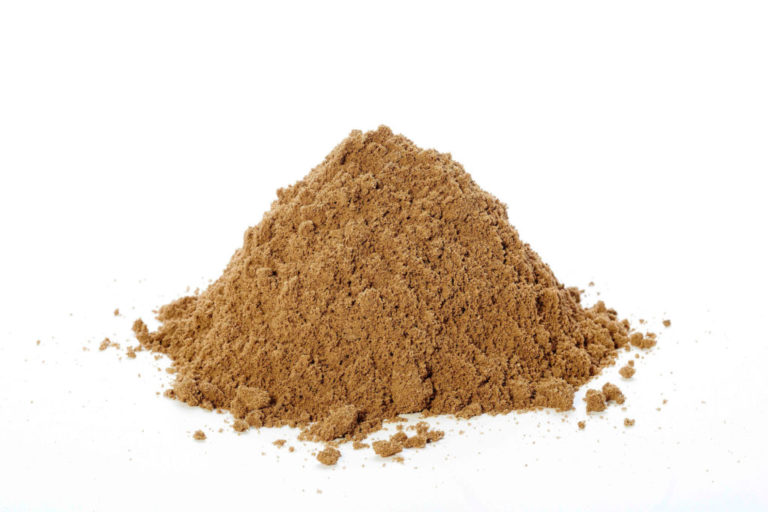
Plaster sand
- Category:
- Non-metallic materials
#2523
Description
Plastering of walls is common in construction. It allows you to finish the room, determines the quality of repair activities. When finishing walls yourself, you need to figure out what kind of sand is needed for plastering walls.
Sand is a universal raw material used in various activities. When carrying out plastering works, a sand massif obtained in quarries and of river origin is used. There is no consensus among builders discussing what is best.
Each type of plaster sand, depending on the production technology, has individual characteristics that affect the strength characteristics of the cement composition based on it. Let's consider sand for plastering walls, the features related to the origin, the scope of application.
Choosing the sand fraction for plaster
The optimal grain sizes are determined by the purpose of the plaster mix and the thickness of the future layer. The fractions of plaster sand used as a filler vary from 2 to 4 mm. The smaller the grain, the smoother the surface. Therefore, large grains of sand will be appropriate for the rough layer, and it is better to use small particles in the preparation of the finishing solution.
Varieties of plaster sand
A mixture of cement with river or quarry sand is used to create the finishing mortar. We offer to purchase plaster sand with delivery in Sochi at the best price, taking into account delivery.
Advantages of the material
The river variant has a homogeneous structure. Its grains have a rounded shape and a rough surface. The material can be of medium or large fractions, depending on the mining region. It does not contain clay and has minimal proportions of stones.
The use of river filler gives the plaster the following properties:
good thermal and noise insulation;
excellent vapor permeability;
air transmission;
easy application on the wall due to high plasticity.
Not every sand is suitable for plaster, and there are even regulatory rules for building sand raw materials. Do not rush, beginners, to take the first sand you find as a "filling" for the plaster mortar. We advise you to find out what kind of sand there is, how different types of sand affect the characteristics of the plaster solution and the final result of finishing work.
Email
Phone number
Connection will be made via internet - no charges apply. Microphone access required.



Adding to Favorites
Your comment: